Clear vision can make it easy to assume your eyes are healthy. That assumption is risky because some eye diseases begin without pain or obvious sight changes. So, how often should healthy adults get eye exams? For most low-risk adults, the answer ranges from every one to five years, depending on age and the guideline used.

When I compare recommendations, I use one practical rule: the shortest relevant interval wins. Age sets the starting point. Symptoms, medical history, family history, corrective lenses, and previous findings can shorten it.

Quick Eye Exam Schedule for Healthy Adults

Age group Practical low-risk schedule Main reason
18–39 Every 2–5 years Prescription and eye-health changes can still occur.
40–54 Every 2–4 years Silent disease and focusing changes become more relevant.
55–64 Every 1–3 years Glaucoma, cataract, and macular risks rise.
65 and older Every 1–2 years Age-related conditions need closer monitoring.

This table combines the supplied age ranges with current US guidance. It is a planning tool, not a personal prescription.

The American Academy of Ophthalmology uses age-based intervals for low-risk adults. The American Optometric Association takes a more preventive approach and recommends annual comprehensive exams for adults aged 18 through 64.

Why Eye Exam Recommendations Differ

Why Eye Exam Recommendations Differ

People expect one universal answer to how often should healthy adults get eye exams. US organizations differ because they weigh prevention, evidence, access, cost, and clinical judgment differently.

The Age-Based Medical Schedule

The American Academy of Ophthalmology recommends a baseline examination around age 40. Its current guidance lists exams every two to four years from ages 40 to 54.

The interval falls to every one to three years from ages 55 to 64. Adults aged 65 and older generally need examinations every one to two years. These intervals apply to people without symptoms or known risk factors.

Healthy adults under 40 may be able to wait longer between appointments. However, that only applies when they have no symptoms, prescription concerns, abnormal findings, or significant family history.

The Annual Preventive Approach

The American Optometric Association recommends annual comprehensive eye and vision examinations for adults aged 18 through 64. Other AOA patient guidance presents every two years as a minimum for some low-risk adults and annual care after 65.

The difference does not make one schedule wrong. Your best interval should reflect your actual risk, not only your birthday.

What a Comprehensive Eye Exam Checks

What a Comprehensive Eye Exam Checks

A vision screening is not a comprehensive eye exam. Reading letters at the DMV, workplace, or primary-care office may identify reduced visual sharpness. It may not evaluate the retina, optic nerve, eye pressure, peripheral vision, focusing ability, or eye coordination.

A comprehensive dilated exam may include:

  • Visual acuity testing
  • Visual field testing
  • Pupil-response assessment
  • Eye-muscle testing
  • Eye-pressure measurement
  • Examination of internal eye structures

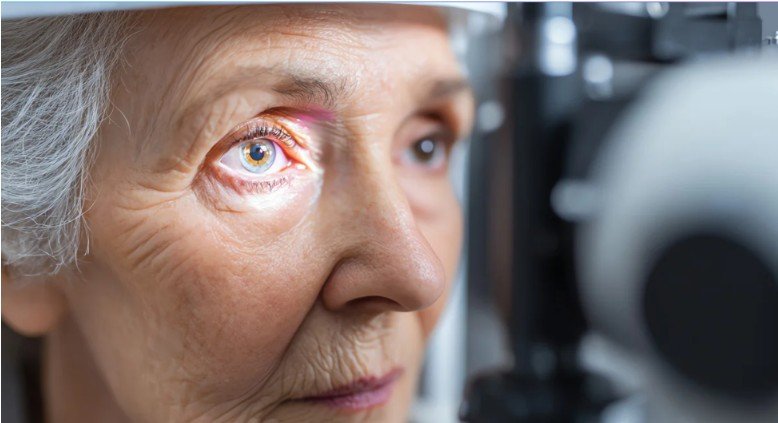
Dilation allows the doctor to inspect more of the retina and optic nerve. It can help identify diabetic retinopathy, glaucoma, age-related macular degeneration, and other internal eye problems.

This distinction matters because disease can develop before blurred vision appears. The CDC explains that comprehensive dilated exams can find eye disease during earlier stages, when treatment is more likely to protect sight.

When Healthy Adults Need More Frequent Exams

When Healthy Adults Need More Frequent Exams

The word “healthy” can be misleading. You may feel well yet still have a factor that changes how often should healthy adults get eye exams.

Corrective Lenses

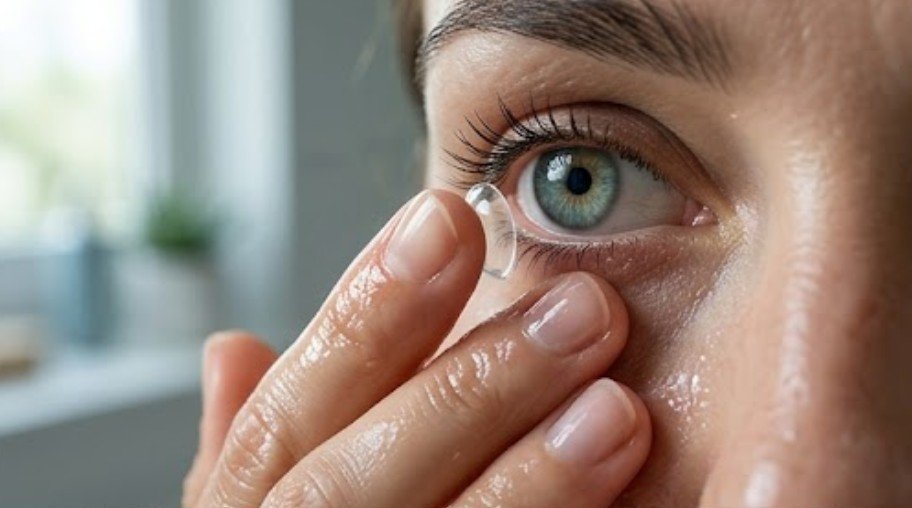
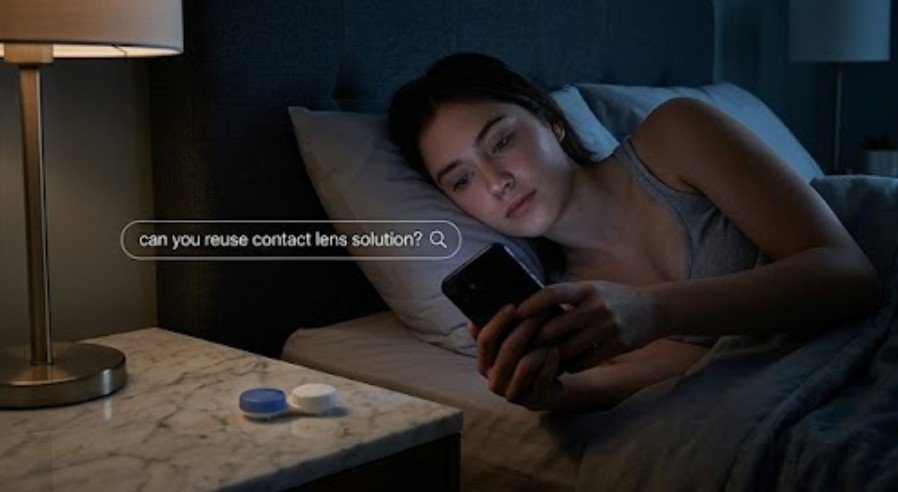
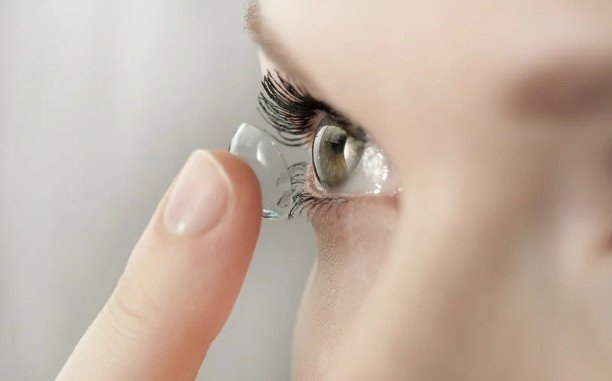
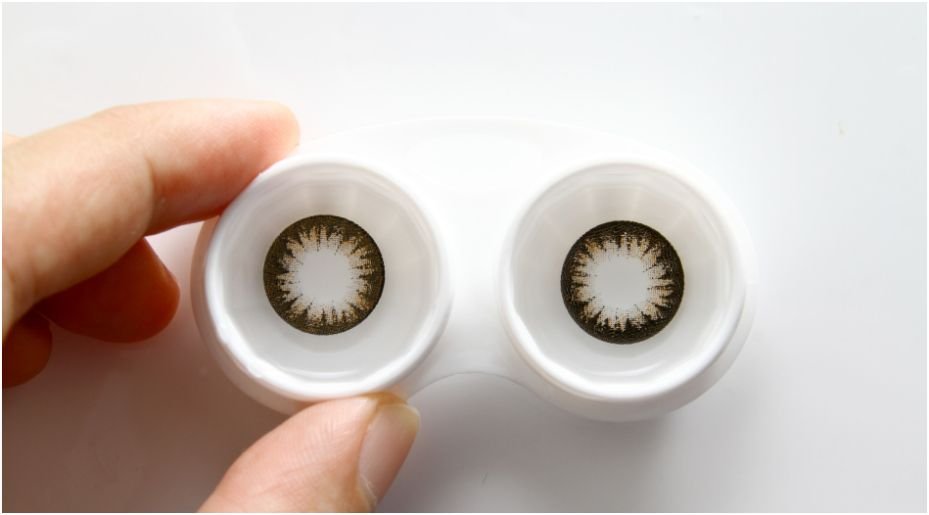
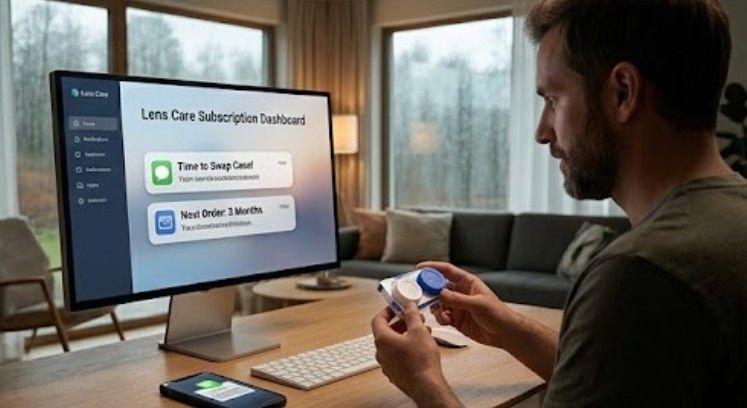
People who wear glasses may need regular prescription reviews. Contact lens users also need their corneas, tear film, lens fit, and wearing habits assessed.

Clear sight alone does not prove that a contact lens remains suitable. A lens can provide sharp vision while causing dryness, poor oxygen flow, deposits, or surface irritation.

Diabetes or High Blood Pressure

Diabetes and high blood pressure can affect the small blood vessels inside the retina. These changes may develop before a person notices vision loss.

The National Eye Institute states that most people with diabetes or high blood pressure need a dilated eye exam at least once a year. The exact interval should still be personalized.

Family History or Higher Glaucoma Risk

A family history of glaucoma, macular degeneration, retinal disease, or early cataracts can justify closer monitoring.

The National Eye Institute recommends dilated exams every one to two years for people with a family history of glaucoma. It provides the same interval for adults over 60 and African American adults over 40.

Glaucoma deserves special attention because it may not cause early symptoms. Feeling fine does not reliably rule it out.

Persistent Screen-Related Symptoms

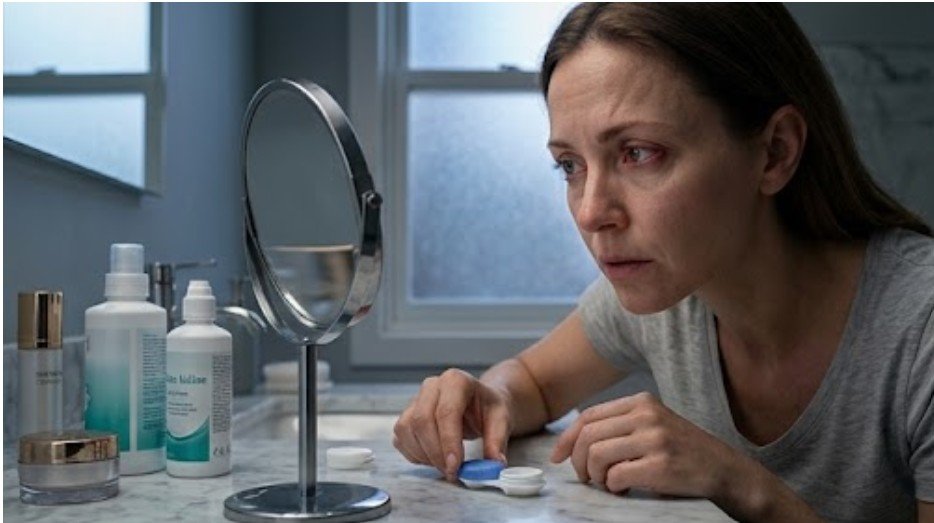
Screen use does not automatically mean you need annual disease screening. However, repeated headaches, focusing trouble, dryness, burning, or blurred vision deserve assessment.

Begin with practical eye health tips for people who work on computers, such as taking visual breaks, blinking more often, reducing glare, and adjusting screen distance. Book an exam when symptoms continue despite those changes.

My “Risk Reset” Rule

I find age-only tables easy to misapply, so I use a simple risk-reset method. Begin with the interval recommended for your age. Then shorten it whenever a meaningful risk appears.

Consider a healthy 36-year-old with no prescription, symptoms, or family history. An examination every two to five years may be reasonable under a low-risk schedule.

Suppose that person starts wearing contact lenses, develops persistent headaches, or learns that a parent has glaucoma. The original five-year date should be reconsidered. Waiting simply because the person is still under 40 would ignore the new information.

This is the article’s key practical insight: your examination interval is not fixed until your next birthday. It can change when your health, symptoms, medication use, family history, work environment, or previous findings change.

Symptoms That Should Not Wait

Do not use a routine eye-exam calendar to manage sudden vision changes. Contact an eye-care professional promptly if you develop:

  • Reduced or blurred vision
  • Eye pain
  • Double vision
  • New floaters
  • Flashes of light
  • Halos around lights
  • Eye discharge
  • Significant redness

The CDC advises people with these symptoms not to wait for their next scheduled appointment.

Sudden trouble seeing can also be a stroke warning sign. This becomes especially concerning when vision changes appear with weakness, confusion, speech difficulty, dizziness, balance problems, or a severe headache. Call 911 when stroke symptoms are possible.

What to Ask at Your Appointment

Ask whether your appointment is a comprehensive eye exam or a basic vision screening. Confirm whether dilation is appropriate and which personal risk factors determine your return date.

You can also ask:

  • Were my eye pressure and optic nerves normal?
  • Did my prescription change?
  • Do my medications affect my eyes?
  • Should I return sooner because of my family history?
  • Which symptoms should trigger an earlier visit?

I recommend leaving with a specific return month. “Come back in two years” is easy to forget. “Schedule the next examination for July 2028” belongs on a calendar.

Frequently Asked Questions

1. Do healthy adults need an eye exam every year?

Not always, but annual care may be advised for corrective-lens wearers and people with additional risk factors.

2. How often should adults under 40 get their eyes checked?

Low-risk adults may use a two-to-five-year schedule, although some US optometric guidance recommends annual examinations.

3. Is a vision screening enough if I see clearly?

No. A screening checks visual sharpness, while a comprehensive exam evaluates eye health and internal structures.

4. How often should healthy adults get eye exams after age 65?

Most adults over 65 should plan an examination every one to two years, with annual visits often preferred.

Your Eyes Deserve Better Than a Guess

I would not choose an eye-exam schedule from age alone. I would begin with the suggested age range and then shorten it for symptoms, contact lenses, medical conditions, family history, or previous findings.

Check the date of your last comprehensive examination. If you cannot remember it, or your risk has changed, schedule a visit. Ask your eye doctor to set a personalized recall interval before you leave.